The Mingus Family and the Smokies
The park’s research connects a Black family story with a familiar local name.
The familiar name has a wider history
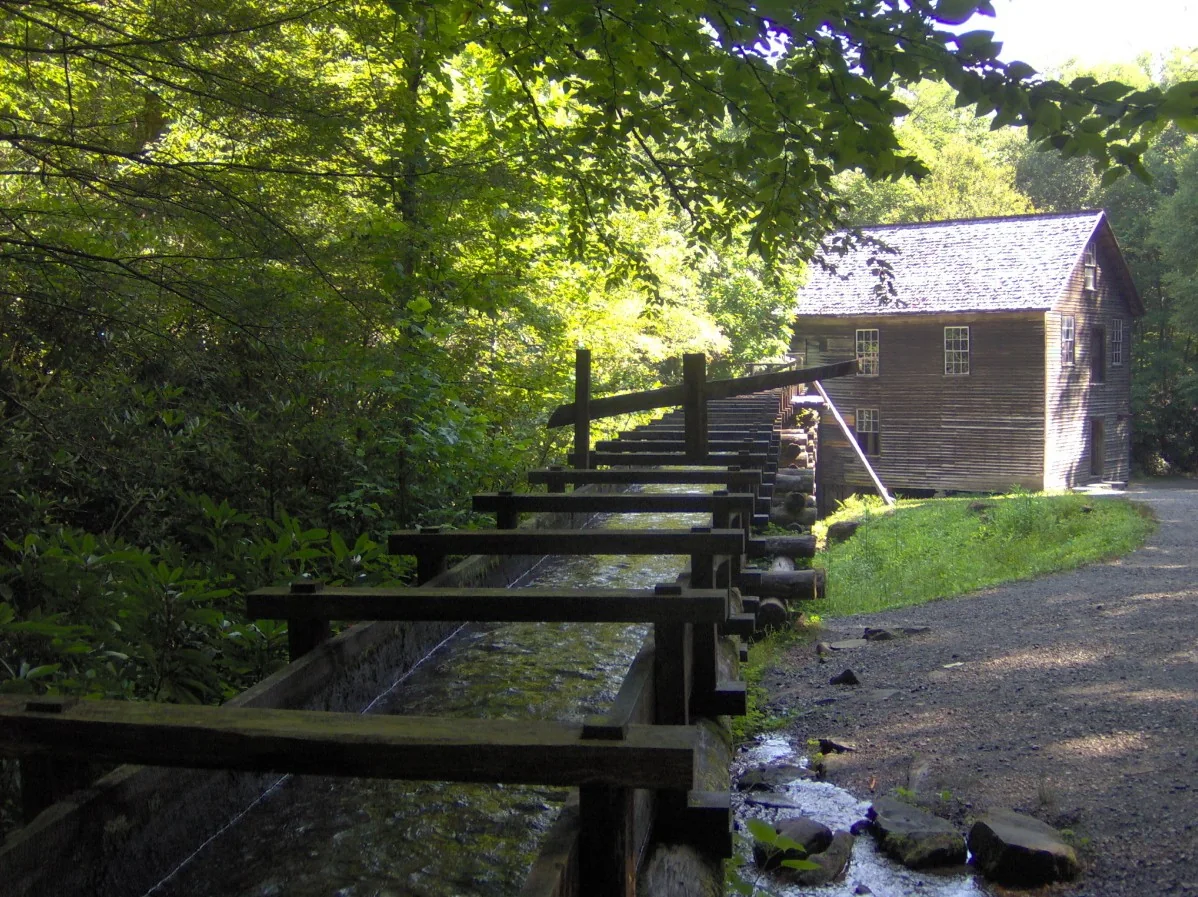
The park’s African American Experiences research connects Daniel Mingus, Charles Mingus Sr. and the composer and bassist Charles Mingus. It identifies Daniel as formerly enslaved by the white Mingus family and describes his farm and craft work. That broadens the story associated with a familiar mill and landowning family, drawing attention to people who were often left out of public interpretation.
Separate the generations
Daniel is the grandfather in the research’s connection to the jazz musician; Charles Mingus Sr. is the father. Keep those identities clear when reading. The musician’s later life should not be used to imply that he personally lived in or performed at the mill. A family connection across places is meaningful without inventing a local concert, encounter or visitor experience.
Records do not agree on every detail
The NPS brief reports inconsistent ages for Daniel in census and death records. It also describes gaps in family history and includes interpretations of private motives. This guide does not convert those into a certain birth year, relationship judgment or psychological explanation. A careful reading distinguishes the fact a document records from the author’s explanation of why someone acted.
Ask about work as well as ownership
When viewing a farm building or historic craft, ask who made it, maintained it and worked there. Ownership is one part of a structure’s story, not a complete roster of its human connections. The Mingus research makes that question concrete. Do not claim that a particular object currently on display was made by Daniel unless its provenance and current display have actually been established.
Read the source as research
Notice its references and the dates and kinds of records behind the account. For one statement, identify whether it comes from a census, death record, later newspaper or a biographer’s interpretation. Then ask what that source cannot establish. This simple practice deepens a visit more than collecting unqualified anecdotes, especially when the people’s own testimony is sparse.
The musician offers a listening connection
If music interests your group, explore Charles Mingus’s work separately through an authorized recording or reliable musical resource. Treat listening as an optional follow-up, not a historically reconstructed soundtrack for the landscape. The family connection is a prompt to broaden curiosity across biography, labor and art. It is not proof that a composition was inspired by a particular Smokies site.
Do not make a closed mill the itinerary
Current NPS notices list Mingus Mill temporarily closed. Check for a newer official update before travel and do not promise entry. Oconaluftee Visitor Center can still provide park orientation subject to its operating status; the farm grounds are a separate access decision. Read the research before arrival so the historical connection remains available even when a building is not.
A respectful eastern day
Pair this reading with a Cherokee-led museum visit and park interpretation while keeping their distinct histories clear. Give each source time instead of forcing all stories into one explanation. Avoid unverified cemetery or private-site detours. A source-led conversation over lunch can be worthwhile in its own right, and the linked research allows a visitor to continue beyond the guide’s necessarily brief introduction.